

Blood, Sweat, and Years:
How Menopause Impacts your Body
By: Lily Madison
Did you know that over 1 million people experience menopause each year in the US alone?
Despite that staggering number, only about a fourth of those people seek care for their symptoms. But why? Some reasons can include: lack of education around symptoms and treatment, stigma, and the assumption that menopause is just something you have to deal with alone.
Menopause is a natural part of aging and shouldn’t be some dark and scary process you have to deal with by yourself. So let’s talk about it!
What is Menopause exactly?
Menopause usually happens around the age of 52, and is the point in time that marks the end of a person's monthly periods (yay, for no more pads or pregnancy scares).
During the menopausal transition, the ovaries begin to secrete less estrogen (one of the female sex hormones). Estrogen is involved in many processes in the body, and its decline can lead to a variety of uncomfortable symptoms.
Have you ever experienced brain fog, unexplained weight gain, or pain with sex? If so, you might be starting the menopausal transition. All of these symptoms can be consistent with lower levels of estrogen. Estrogen plays a role in maintaining focus in the brain, regulating cholesterol and blood sugar, and supporting sexual arousal.

The whole menopausal transition is split up into three phases: perimenopause (usually starting in your 40s), menopause (happening around the age of 52), and postmenopause, which you will then stay in for the rest of your life.
Perimenopause
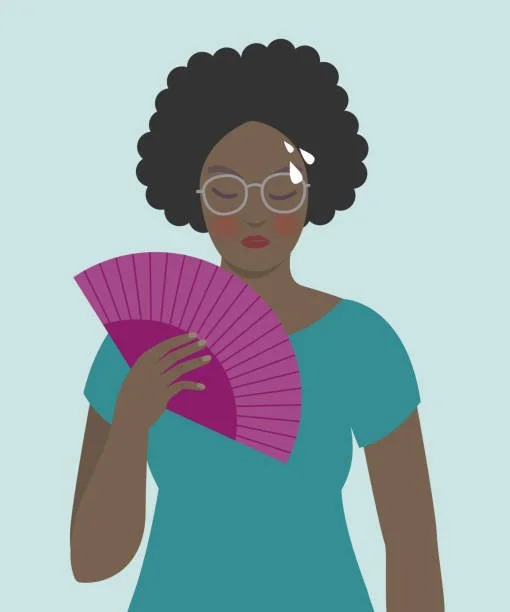
Picture this: you are sitting in a meeting in an aggressively air-conditioned room, and even though all your coworkers are bundled up in coats and sweaters, you can’t help but take off a layer and wonder if everyone else sees your sweat stains.
If this sounds familiar, then you might be experiencing hot flashes, one of the most common perimenopausal symptoms. Perimenopause can start up to 10 years before menopause, and other symptoms may include: irregular periods, night sweats, vaginal dryness, pain with sex, breast tenderness, and mood/sleep changes.
Postmenopause
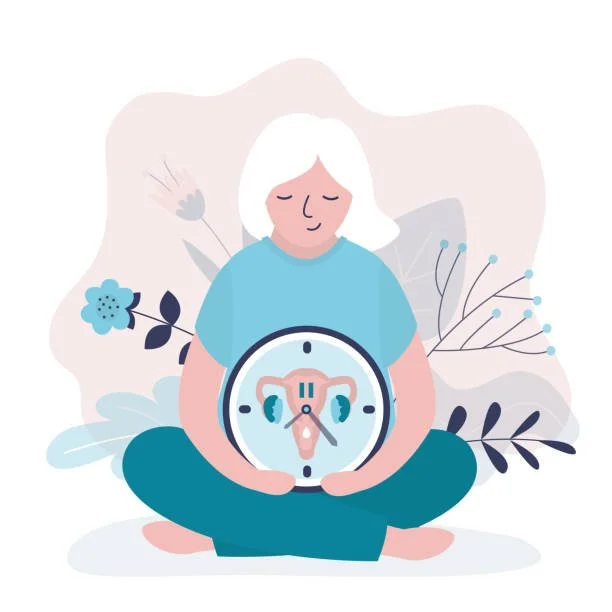
Although the symptoms of perimenopause can be distressing and significantly impact a person’s day to day, there are things to look forward to. Postmenopause is the phase that folks will stay in once they have finished their periods for good.
Most people in postmenopause report a significant lessening of severity in symptoms and even sometimes lose symptoms altogether. That means all the pros of no more periods, without the night sweats or sore boobs.
What's the Good News?
Bridgercare has multiple trained menopause specialists who can help you manage symptoms and talk you through treatment plans. There is a range of safe and effective treatments for menopause symptoms, including hormone therapies and lifestyle changes. You don’t need to live in discomfort! If you are struggling, schedule an appointment with Bridgercare today.