

How Does Birth Control Actually Work in the Body?
By: Annie Chenoweth
Nearly 39 million women in the U.S. use birth control to prevent pregnancy or manage health conditions, but how many of us actually know how it works in the body? If you think birth control is mysterious and complicated, you're not alone! Let's break it down!
Different methods work in different ways. Some birth controls make it much harder for a sperm to reach an egg, while others prevent the ovaries from releasing an egg in the first place. And some options do a bit of both. We’ve highlighted four popular birth control methods to help you understand which one might be right for you!
Hormonal Birth Control: Demystifying the Effects
Hormonal birth control doesn't "turn off" your reproductive system, nor does it completely disrupt your hormones. Birth control alters the hormones that naturally tell your brain when it is time to release an egg, and it modifies those signals so that pregnancy is much less likely to occur.
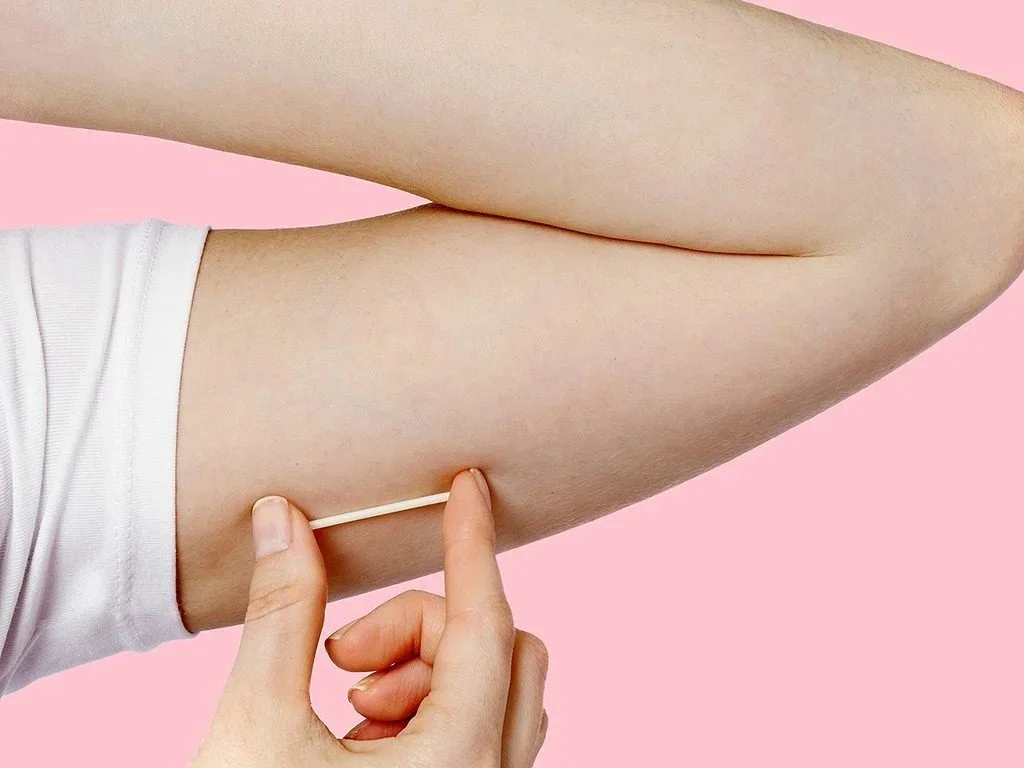
Nexplanon: A Tiny Implant with a Steady Job
A tiny, flexible rod called Nexplanon is inserted just beneath the skin of the upper arm. Over a period of several years (up to 5), it gradually releases a very tiny quantity of progestin each day. Consider it less of a storage tank and more of a slow-drip IV.
Nexplanon prevents pregnancy by also preventing ovulation; it thickens the cervical mucus to make it much harder for sperm to pass through and thins the uterine lining.
A fertilized egg needs a rich, thick layer of tissue to plant itself and grow, and a thin lining does not give it enough space or grip. A thin uterine lining can also stop or lessen periods because there is no tissue or blood to shed.
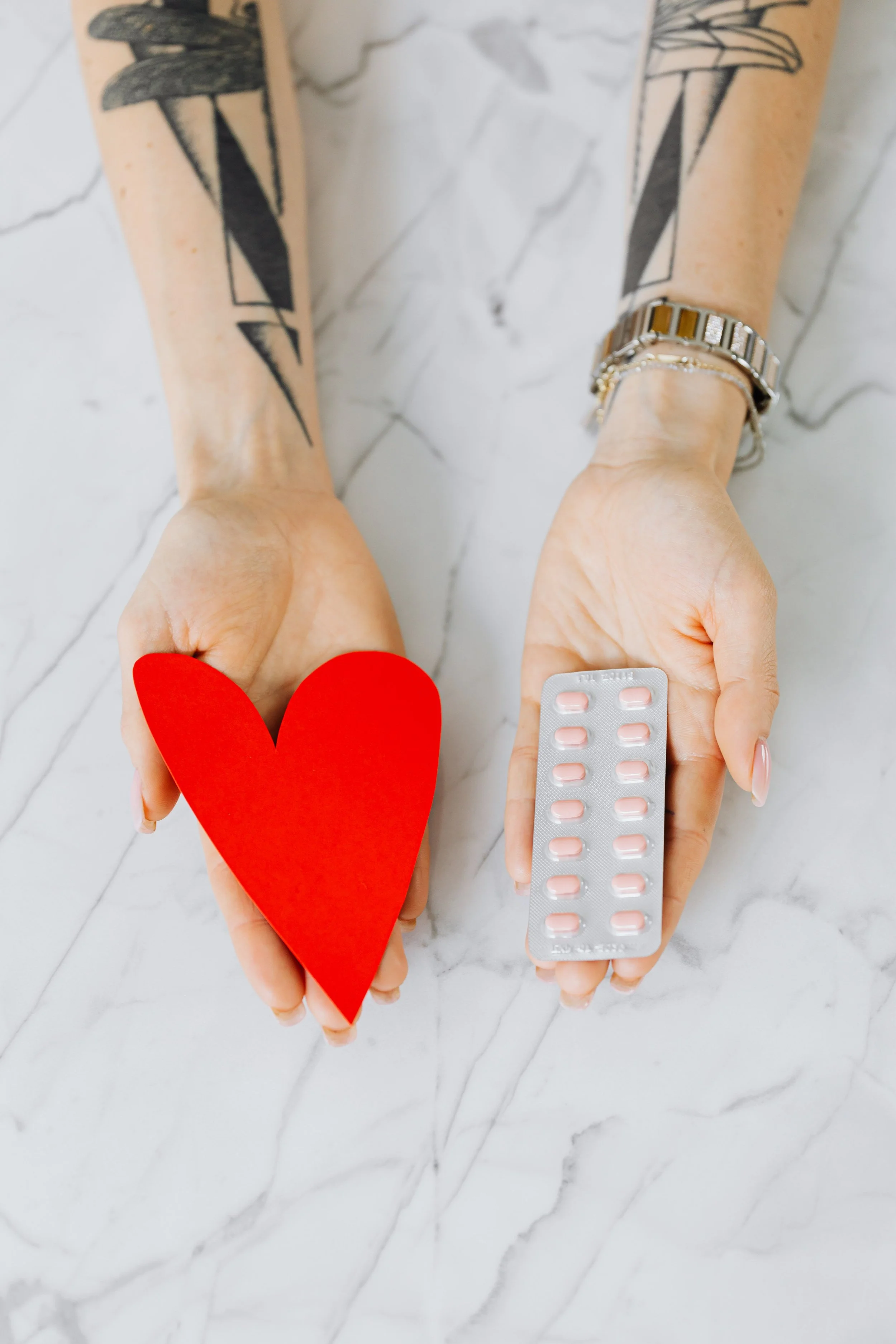
The Pill: Preventing Ovulation From the Start
Most birth control pills contain synthetic forms of estrogen, progestin, or both. These hormones are processed and broken down by your body on a daily basis, so they don’t accumulate over months or years, but rather stay at a stable level.
The hypothalamus and pituitary gland are the messengers in your brain telling your ovaries when it's time to release an egg. Estrogen and progestin send signals to the hypothalamus and pituitary gland, telling them to send fewer messages to the ovaries, making it less likely for ovulation to occur. Sperm have nothing to fertilize if there is no egg.
The Pill also makes it harder for sperm to enter the uterus by thickening cervical mucus, as well as thinning the uterine lining.
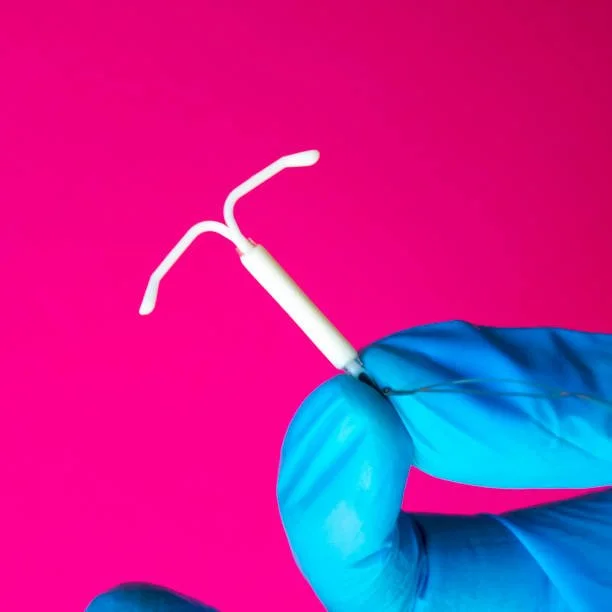
Hormonal IUDs: Local Delivery, Big Impact
Levonorgestrel is the hormone released by hormonal IUDs in very small amounts, but unlike the pill, the majority of this hormone acts locally inside the uterus. For this reason, compared to many other hormonal methods, hormonal IUDs typically expose the remainder of the body to lower hormone levels, with only small quantities entering the bloodstream.
Thickening the cervical mucus is the hormonal IUD's biggest job; it also changes the uterine lining, and sometimes suppresses ovulation.
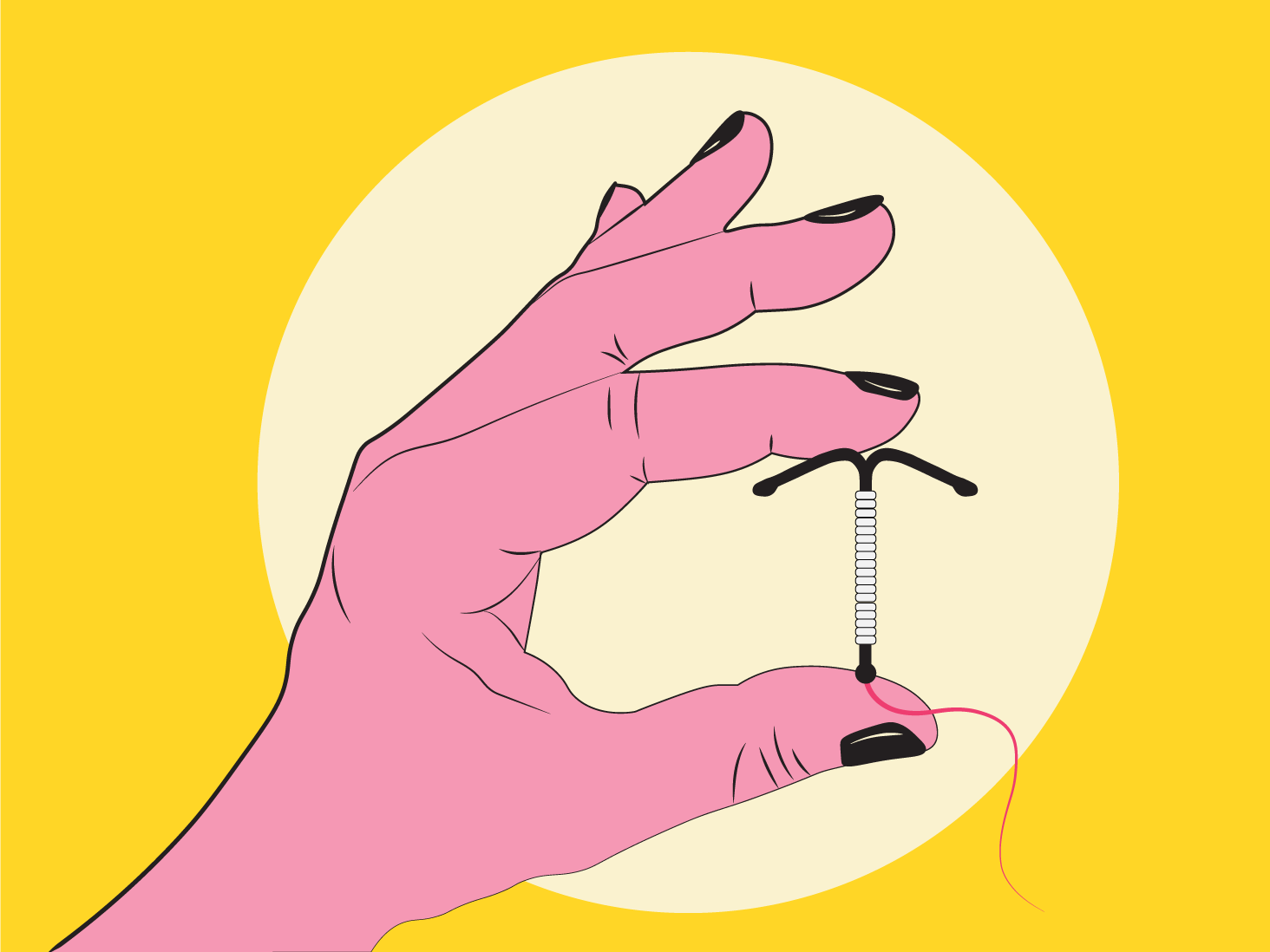
Copper IUD: Hormone-Free Birth Control
Instead of hormones, the Paraguard IUD uses copper to create an environment where sperm simply don't function very well. Don’t worry! Very little copper is involved, and it only acts locally inside the uterus.
In those without uncommon underlying diseases affecting copper metabolism, it neither floods your bloodstream with copper nor causes copper toxicity. The copper IUD does not prevent ovulation, and the majority of people continue to release an egg every month as part of their regular hormonal cycle.
What Happens When You Stop Birth Control?
After discontinuing birth control, an individual’s normal periods and fertility will return, though the timing varies depending on age and each individual body as well as which birth control method was used. Ovulation usually returns in a matter of weeks to months as your brain and ovaries gradually resume their regular hormonal communication.
The Bottom Line
Understanding what's happening inside your body can make birth control feel a whole lot less mysterious, and help you have more informed conversations with your healthcare provider about the birth control method that's right for you.
Ready to stop wondering what birth control method is right for you? Click the button below to schedule an appointment with one of our Bridgercare providers!